Avery Schulz · 15 September 2026
Polish Farm Partnerships Provide Fresh Insights into Herb Responses to Changing Weather Patterns
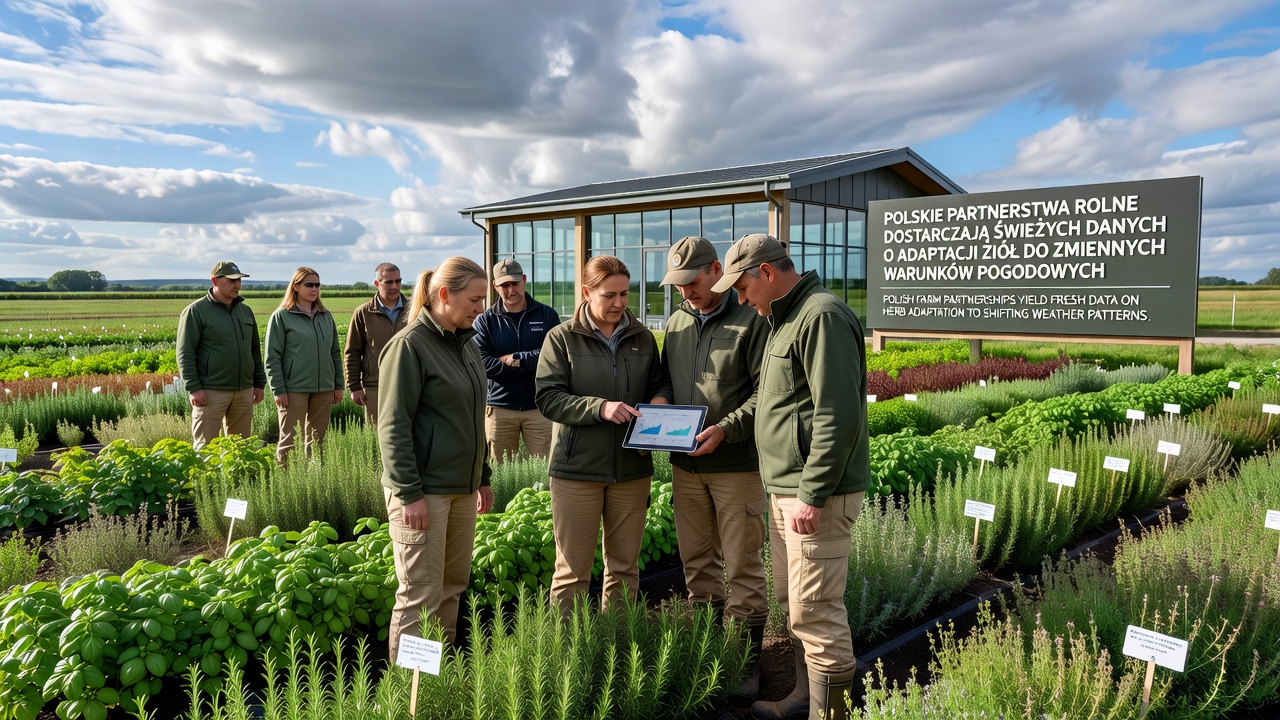
Polish agricultural networks have compiled extensive datasets from multiple farm sites that track how various medicinal herbs adjust to fluctuating temperatures, rainfall irregularities, and extended dry periods across recent growing seasons, and these records offer measurable indicators of plant performance under stress. Partnerships formed between small and medium-scale growers, regional cooperatives, and research institutions have standardized monitoring protocols that record growth rates, essential oil yields, and survival metrics for species such as sage, chamomile, and thyme.
Data collection began intensifying in 2023 and continued through the 2025 harvest cycles, with participating farms submitting weekly observations on soil moisture levels, canopy temperature, and phenological stages. Analysts have identified patterns where certain cultivars maintained consistent biomass production despite reduced precipitation totals that fell 20 to 30 percent below long-term averages in central and eastern regions of the country. These findings align with broader European climate assessments published by the European Environment Agency, which document shifting precipitation regimes across the continent.
Monitoring Methods and Data Aggregation
Farmers installed low-cost sensors alongside traditional field notes to capture microclimate variations within each plot, and the resulting datasets were aggregated through a shared digital platform that allows cross-site comparisons. Researchers applied statistical models to isolate weather variables from soil type and management practices, revealing that adaptive responses often depended on both genetic stock and timing of water availability during critical flowering periods. One group of farms in the Lublin region reported that thyme plants originating from southern European seed sources exhibited earlier flowering yet sustained leaf biomass comparable to local varieties under the same conditions.
September 2026 marks the scheduled release of a consolidated report that incorporates the final 2025 season measurements, and preliminary summaries already circulated among network members indicate statistically significant increases in root depth for drought-exposed sage populations. Such structural changes appear linked to higher survival rates during subsequent heat waves, according to preliminary modeling outputs shared at agricultural extension meetings.
Observed Adaptation Patterns Across Regions
Northern Polish sites, which experienced milder winters followed by sudden spring frosts in 2024, recorded differential damage levels among chamomile stands, with some lines showing rapid regrowth while others required replanting. Southern and central locations documented prolonged heat stress during July and August, where elevated nighttime temperatures correlated with reduced essential oil concentration in harvested material. The partnerships have begun testing irrigation scheduling adjustments based on these patterns, and early trials suggest that targeted watering during bud formation can offset yield losses without increasing overall water consumption.
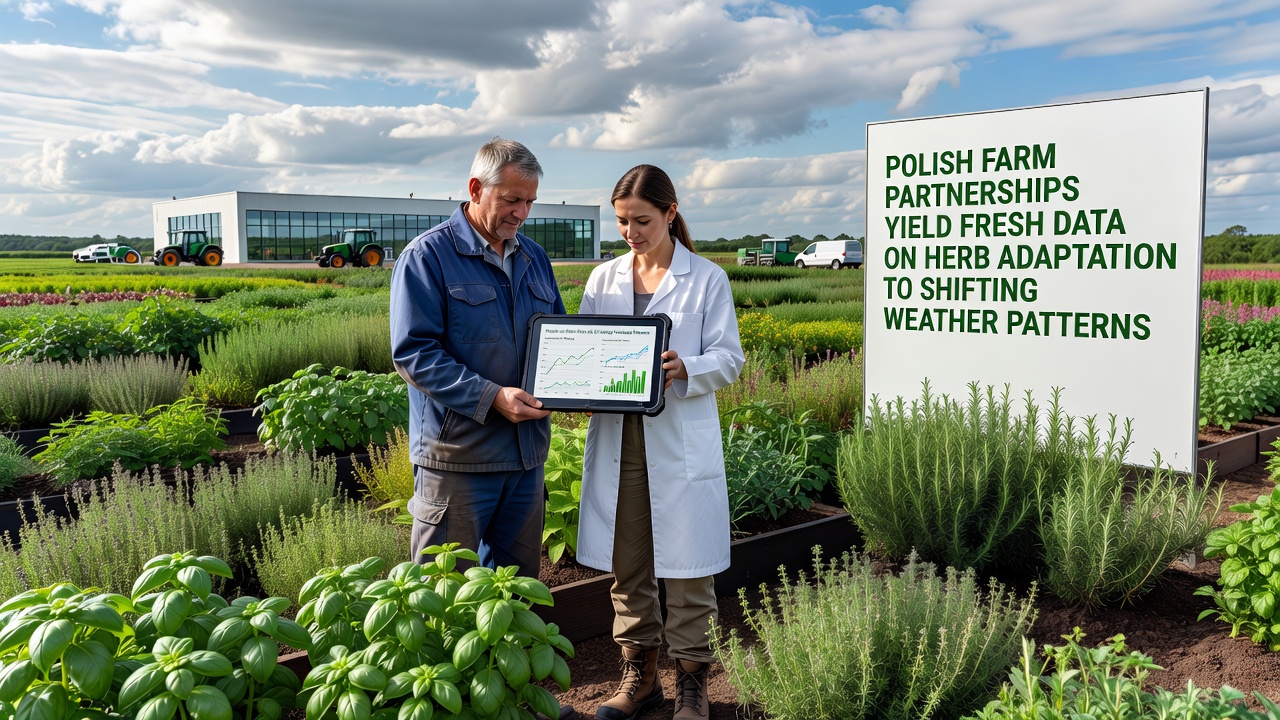
Comparisons with international datasets strengthen the local observations, and reports from the United States Department of Agriculture on similar herb trials in the Pacific Northwest indicate parallel trends in heat tolerance among related species. Polish researchers note that combining these external benchmarks with domestic records improves the reliability of predictive models for future seasons. The networks also track pest and disease incidence, because warmer conditions have extended the activity window for certain insects that affect herb foliage.
Implications for Cultivation Practices
Participating growers have started selecting propagation material from plants that demonstrated resilience in the collected data, and seed-saving initiatives now prioritize lines showing stable performance across multiple weather anomalies. Extension services have translated the aggregated findings into practical guidelines that recommend adjusted planting densities and row orientations to optimize microclimate buffering. These recommendations remain grounded in the measured outcomes rather than projections, and follow-up evaluations scheduled for 2027 will assess whether the implemented changes produce consistent results under continued variability.
Coordination among the farms has reduced duplication of effort while expanding the geographic coverage of observations, and the shared platform facilitates rapid dissemination of alerts when extreme events occur. Analysts continue to refine algorithms that weight different environmental factors, aiming to generate actionable forecasts tailored to each partner location.
Conclusion
The ongoing Polish farm partnerships continue to generate detailed records that document herb adaptation mechanisms under real-world conditions, and the September 2026 report will consolidate these observations for wider use. Continued data sharing among collaborators supports evidence-based adjustments in cultivation techniques while contributing to regional understanding of climate effects on specialized crops.